Salted Fish Drying in Nigeria: Tray-Type Hot Air Circulation Oven
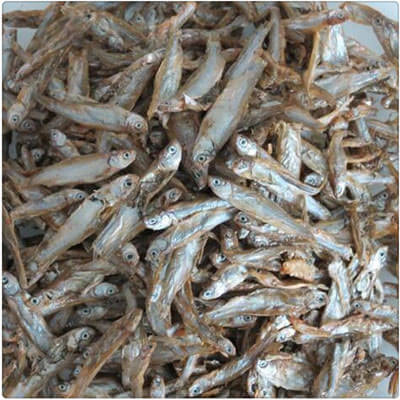
A coastal trading company needed to move salted fish from open-air racks – which stop every time it rains – to a controlled indoor process. The answer was a batch tray oven built around gentle airflow rather than raw heat.

Salted fish dries best at 40-50°C with strong, continuous airflow – hot enough to pull water out of a dense, salted product, but never hot enough to cook the surface and trap moisture inside. A tray-type hot air circulation oven holds that window automatically: trolleys of trays go in, an adjustable damper vents the humid air, and the batch comes out evenly dried.
For a coastal market like Nigeria, the sealed chamber also matters as much as the temperature: the machine dries the same way in monsoon humidity as on a dry day, so production no longer depends on the weather.
Project At A Glance
| Project Item | Detail |
|---|---|
| Material | Salted fish, whole round and split |
| Machine supplied | Hot air circulation tray drying oven (electric heating) |
| Configuration | Trolley-and-tray loading, adjustable moisture exhaust damper |
| Drying temperature | 40-50°C, PID controlled |
| Typical cycle | 8-14 hours depending on fish size and salt penetration |
| Why this machine | Gentle airflow for a dense product; sealed chamber for a humid coastal climate |
Why This Machine For This Material
Salted fish is a dense, heavily salted product. Push the temperature too high and the surface case-hardens – dry outside, raw inside – which ruins both texture and shelf life. Keep the humidity in the room and mold wins instead.
Open-air rack drying, the traditional method, works only when the weather cooperates: every rain shower stops production, flies and dust are constant risks, and quality is never consistent from batch to batch.
The oven solves both problems at once. Forced horizontal airflow crosses every tray so dense pieces dry evenly, the PID controller holds 40-50°C, and the exhaust damper continuously replaces humid air with dry – all inside a sealed, washable SUS304 chamber.
Recommended Drying Profile For Salted Fish
| Stage | Setting | Notes |
|---|---|---|
| 1. Drain & rinse | Surface brine rinsed off; pieces drained on racks | Prevents sticky deposits on trays and uneven color |
| 2. Low & slow | 40-45°C, high fan speed, damper 60% open | First 4-6 hours: removes surface water without cooking |
| 3. Main drying | 45-50°C, damper fully open | Moisture moves from the core; airflow does the work |
| 4. Conditioning | 45°C, damper 30% open, 1-2 h | Equalizes moisture between thick and thin pieces |
| 5. Cool down | Fans only, doors closed | Brings product to room temperature before packing |
Exact settings are tuned during commissioning to your product thickness, salinity or sugar level and target final moisture.
What Was Supplied
The supply included the tray oven with electric heating configured for the customer’s local voltage, stainless trolleys and trays, and video-guided installation support. Spare door seals and a consumables kit shipped with the machine.
Commissioning focused on the salted-fish profile: fan speed, damper position and staged temperatures were tuned with the customer’s own product until the texture matched their market requirement.

Practical Notes From This Application
Salt draws water, heat moves it
Do not raise temperature to speed up salted fish – raise airflow instead. The damper and fans do more than extra degrees ever will.
Batch discipline pays
Same size pieces per batch dries evenly; mixing whole round with split pieces leaves one over-dried and one under-dried.
Wash-down between batches
Fish oils go rancid fast. Roll trolleys out and hose the chamber – the SUS304 interior is designed for it.
Planning A Similar Drying Line?
- Tell us your material, capacity and local energy costs
- We configure the machine and return a layout drawing
- Worldwide shipping with installation and remote commissioning
Prefer email? Write to info@tondemachine.com or WhatsApp +86 185 0387 4173. Our engineers reply within one working day.
Frequently Asked Questions About Salted Fish Drying
Why not just sun-dry salted fish in Nigeria?
Sun drying works but stops at every rain shower and exposes product to dust, insects and uneven quality. An oven holds the same conditions every day of the year, and the sealed chamber is standard for food-safety audits.
Can the same oven dry other products?
Yes – run dedicated batches. The PID controller goes from ambient to 120°C, so the same machine handles fruits, vegetables and herbs between fish runs (after a full wash-down).
What about power supply in my region?
We configure the electrical system to your local standard – tell us your voltage and frequency when requesting a quote. Steam or gas heat exchangers are available if electricity is expensive in your area.
Looking for the full machine specifications? Open the Hot Air Circulation Drying Oven page →